

C.U.in - Advanced Triple Glazing
Triple glazing performance in a slim, lightweight insulating glass unit.
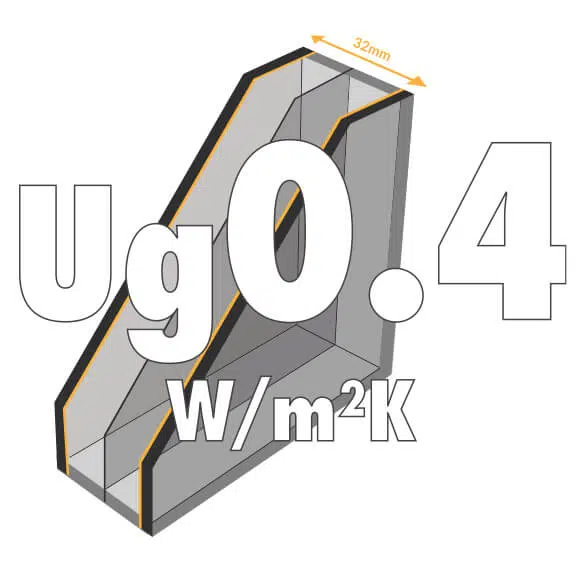
C.U.in uses advanced suspended film technology to deliver exceptional thermal performance, with U-values as low as 0.4 W/m²K, without relying on a conventional third pane of glass.
Manufactured in the UK by Crystal Units, C.U.in is designed for window manufacturers, glaziers and window installers looking for triple glazing performance in a unit slim enough for many double glazed frames and window systems.
Instead of simply adding another pane of glass, C.U.in uses two panes of glass with a virtually invisible suspended film between them. This creates two insulating cavities, helping achieve the thermal performance associated with high-performance triple glazing while reducing the additional thickness and weight of traditional triple glazed glass.
For replacement windows, retrofit glazing and new window systems, this gives installers another way to achieve demanding U-values without automatically moving to a thicker, heavier conventional triple glazed unit.
Why C.U.in




EXPLORE TYPES
Choose the right C.U.in glass for your project.
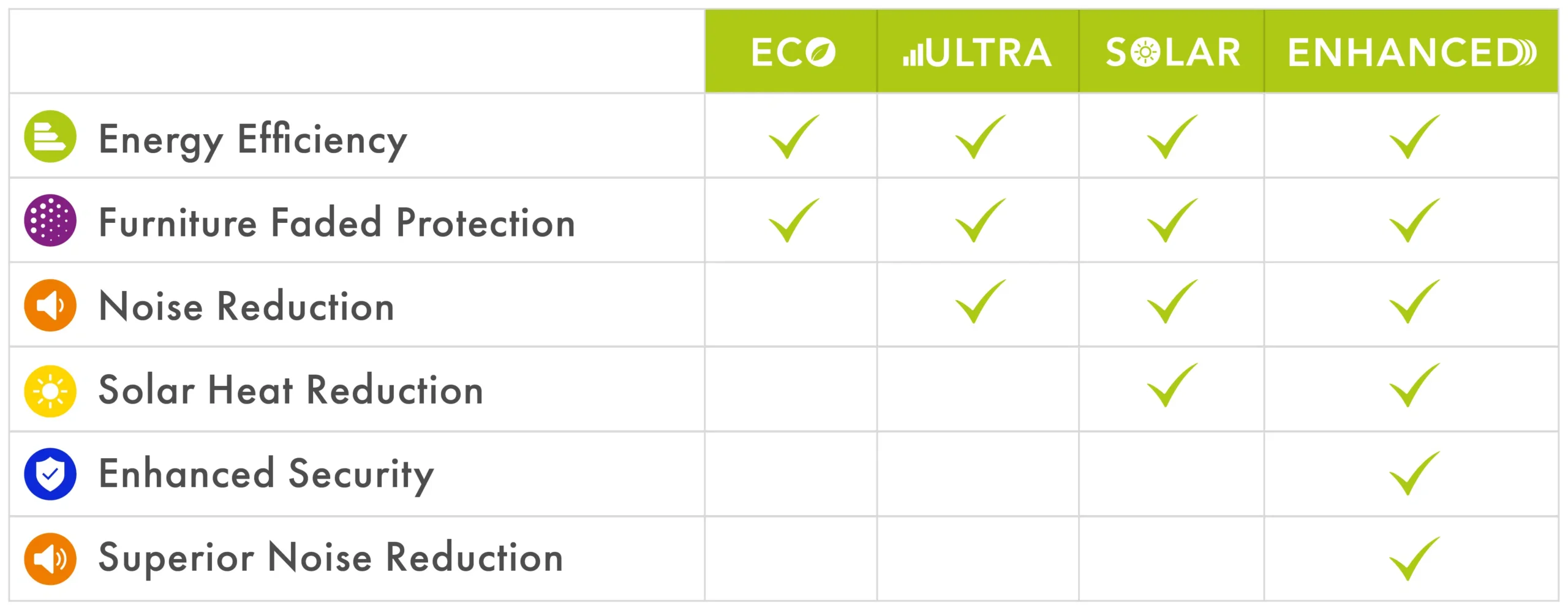
C.U.in is available in several configurations, allowing window manufacturers and installers to specify the right balance of U-value, solar control, acoustic performance, safety and security.

C.U.in Eco combines suspended film technology with argon-filled cavities to achieve a typical U-value of 0.7 W/m²K.
It provides a strong option for installers looking to upgrade the thermal performance of traditional double glazing without automatically moving to a conventional three-pane triple glazed unit.
Its relatively slim construction means it can be suitable for many window systems originally designed around double glazing, subject to the existing frame, glazing rebate and required IGU specification.
For replacement glazing, this can provide a practical route towards triple glazing performance from a slimmer, lighter glass unit.

C.U.in Passiv is designed for projects requiring exceptionally low U-values.
Using suspended film technology and krypton-filled cavities, C.U.in Passiv can achieve a typical U-value of 0.4 W/m²K.
This gives window manufacturers and installers access to thermal performance beyond many standard double and triple glazing configurations, without relying on three panes of glass.
It’s particularly suited to highly insulated buildings, low-energy window systems and projects where achieving the lowest possible heat loss through the glazing is a priority.

Low U-values aren’t the only consideration when specifying high-performance double or triple glazing.
Large areas of glass can also introduce significant solar heat gain, making the relationship between U-value and g-value an important part of the glazing specification.
C.U.in Solar combines suspended film technology with solar control glass to help deliver high thermal insulation while controlling unwanted solar gain.
Crystal Units can help installers select the appropriate combination of glass, coatings, U-value and g-value for the application.

C.U.in Enhanced combines the thermal benefits of C.U.in with laminated glass options for projects requiring additional safety, security or acoustic performance.
This allows the IGU to be designed around the complete performance requirement rather than focusing on U-value alone.
Our technical team can advise on glass thickness, laminated glass, acoustic requirements, thermal performance and the complete IGU build-up before manufacture.
TECHNOLOGY
How C.U.in achieves triple glazing performance with two panes of glass.
A conventional double glazed unit consists of two panes of glass and one insulating cavity.
A conventional triple glazed unit typically consists of three panes of glass and two insulating cavities.
C.U.in creates those two insulating cavities using only two panes of glass.
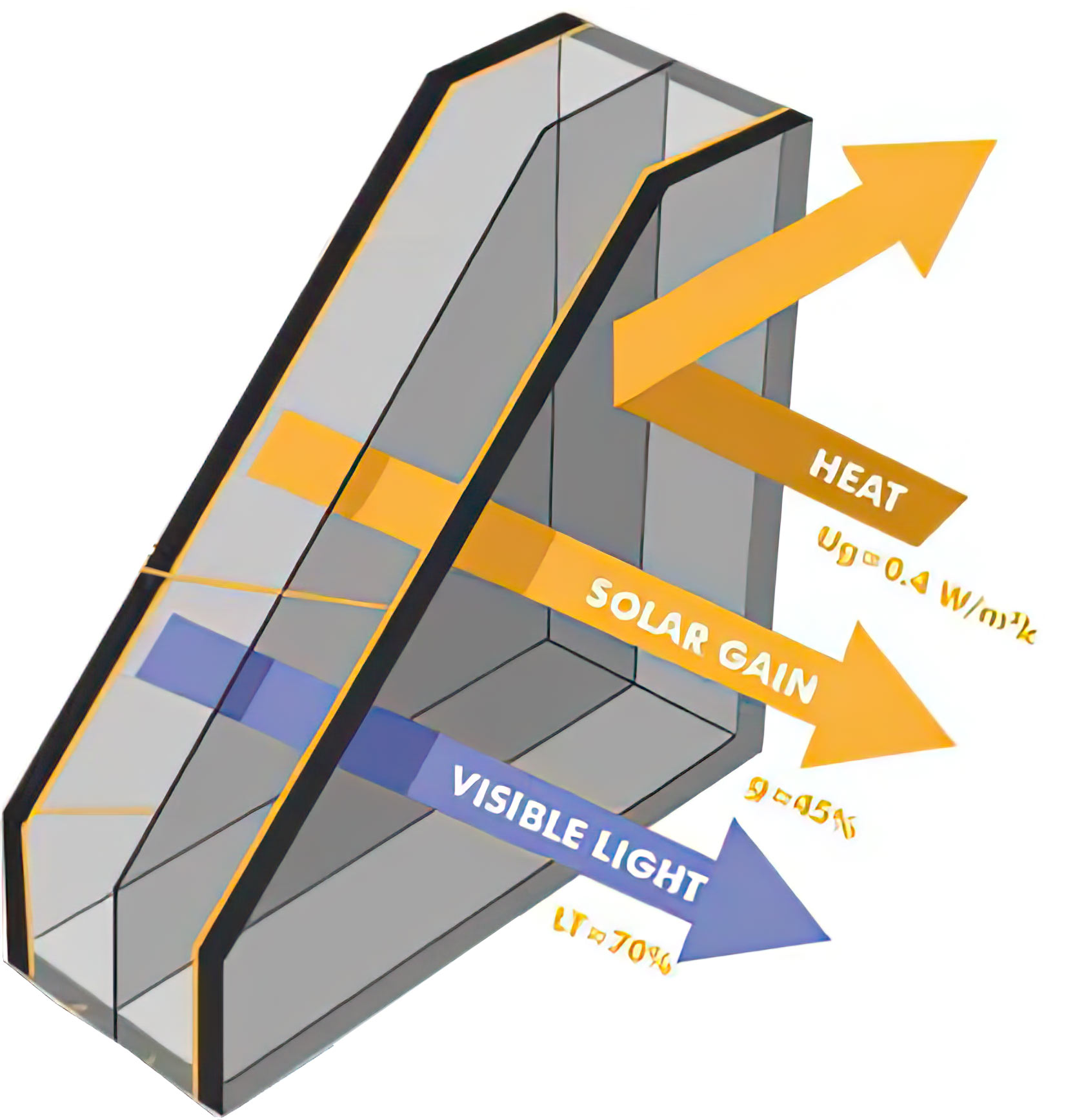
An ultra-light suspended film is positioned within the IGU, dividing the space between the outer panes into two separate chambers.
Combined with low-E coated glass, warm edge spacer technology and inert cavity gases, this construction can achieve extremely low U-values while remaining slimmer and lighter than many traditional triple glazing configurations.
INERT GAS
LOW-E COATING
C.U.IN
STEEL SPACER
STEEL OR WARM EDGE SPACER
Heat Loss (W/m²K value)
Comparison Chart
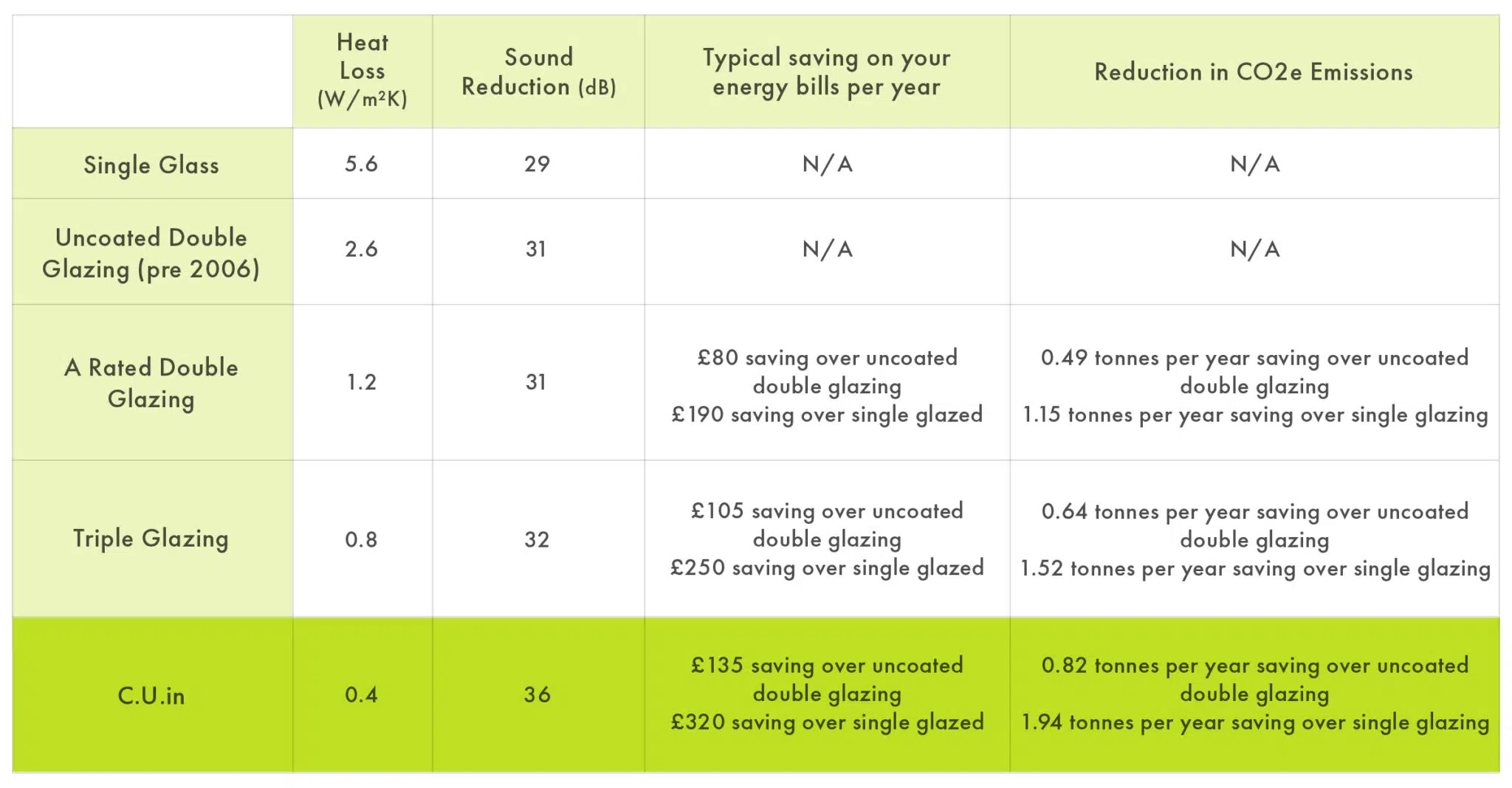
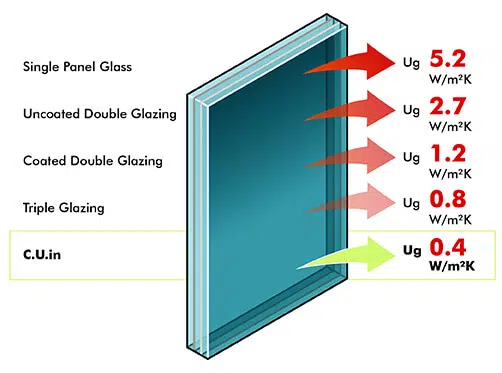
Double Glazing vs Triple Glazing vs C.U.in
Choosing between double glazing and triple glazing shouldn’t simply come down to the number of panes.
The complete IGU specification, U-value, unit thickness, glass weight, frame system, solar performance and application all need to be considered.
Double glazing provides a practical solution for many standard window applications but may not achieve the low U-values required for more demanding projects.
Triple glazing can improve thermal performance by adding a third pane and second cavity, but this also increases the thickness and weight of the glass unit.
C.U.in creates two insulating cavities using a suspended film rather than a third pane of glass. This provides installers with a route to advanced triple glazing thermal performance from a slimmer, lighter IGU construction.
Crystal Units can help you compare the options and specify the right glass for the window system rather than simply manufacturing whatever is ordered.
TRIED AND TESTED
Independently Studied Thermal Performance
C.U.in suspended film technology has been independently studied against conventional double glazed and triple glazed units.
The independent white paper assessed thermal performance, energy demand and embodied carbon across different glazing configurations and building scenarios.
Testing included a 36mm C.U.in unit with a centre-pane U-value of 0.4 W/m²K, compared with a typical 28mm double glazed unit at 1.0 W/m²K, a corresponding 36mm triple glazed unit at 0.9 W/m²K and a typical 50mm triple glazed unit at 0.6 W/m²K.
This demonstrates why C.U.in can be particularly valuable where installers need high-performance triple glazing results without the thickness and weight associated with a conventional three-pane IGU.
More Than a Double and Triple Glazing Manufacturer
Getting the best performance from an IGU isn’t simply about choosing between double glazing or triple glazing.
Glass thickness, unit construction, U-value, g-value, solar gain, safety requirements, acoustic performance, frame limitations and the size and location of the glazing all affect the correct specification.
Crystal Units works as a technical glazing and manufacturing partner, helping window manufacturers and installers get that specification right before the glass enters production.
Our technical team can support you with:
- Double and triple glazing specifications
- C.U.in IGU specifications
- Glass thickness calculations
- Wind load calculations
- Barrier load requirements
- U-values and thermal performance
- Solar control and g-values
- Low-E coated glass
- Laminated and acoustic glass
- Large and unusual glazing applications
- Relevant glazing standards and performance requirements
The aim is simple: design the glass correctly before manufacture, manufacture it correctly the first time and reduce problems when it reaches site.
TESTIMONIAL
What They’re Saying
FAQ
Is C.U.in double glazing or triple glazing?
C.U.in uses two panes of glass, like a conventional double glazed unit, but incorporates a suspended film that divides the cavity into two insulating chambers.
This allows it to achieve thermal performance associated with high-performance triple glazing without requiring a conventional third pane of glass.
Can C.U.in fit into a double glazed frame?
Certain C.U.in configurations are slim enough to be installed into many window systems originally designed for double glazed units. This can make C.U.in particularly useful for replacement and retrofit projects where conventional triple glazing may be too thick or heavy.
The existing frame, glazing rebate and required IGU specification should always be checked before manufacture.
Is C.U.in better than triple glazing?
It depends on the project and specification. C.U.in can achieve U-values as low as 0.4 W/m²K while using two panes of glass and suspended film rather than three panes.
This can provide significant advantages where unit thickness, glass weight and frame compatibility make conventional triple glazing difficult.
Crystal Units can compare the requirements and recommend the correct glazing specification for the application.
What is the U-value of C.U.in compared with double and triple glazing?
C.U.in can achieve U-values as low as 0.4 W/m²K, depending on the configuration.
An independent C.U.in study compared a 36mm C.U.in unit at 0.4 W/m²K with a typical 28mm double glazed unit at 1.0 W/m²K, a 36mm triple glazed unit at 0.9 W/m²K and a typical 50mm triple glazed unit at 0.6 W/m²K.
Does C.U.in use three panes of glass?
No. C.U.in uses two panes of glass with a virtually invisible suspended film between them. The film creates a second insulating cavity without adding a third pane of glass.
Can C.U.in replace double glazing without replacing the windows?
Potentially, yes. Depending on the existing window frame, glazing rebate and required IGU thickness, C.U.in can provide a route to significantly improved thermal performance while retaining the existing frame.
Crystal Units can review the required specification before manufacture.
Can Crystal Units manufacture double and triple glazed units?
Yes. Crystal Units manufactures high-performance insulating glass units for window manufacturers, glaziers and installers, including conventional double glazing, triple glazing and advanced C.U.in suspended film units.
Our technical team can help identify which construction is most appropriate for the required U-value, frame system and application.
Can I replace my current triple glazing units in my current windows?
Yes C.U.in can be replaced into virtually any window that already has double or triple glazing installed.
Does C.U.in come in a maximum size?
The maximum size for C.U.in is 3000mm x 6000mm